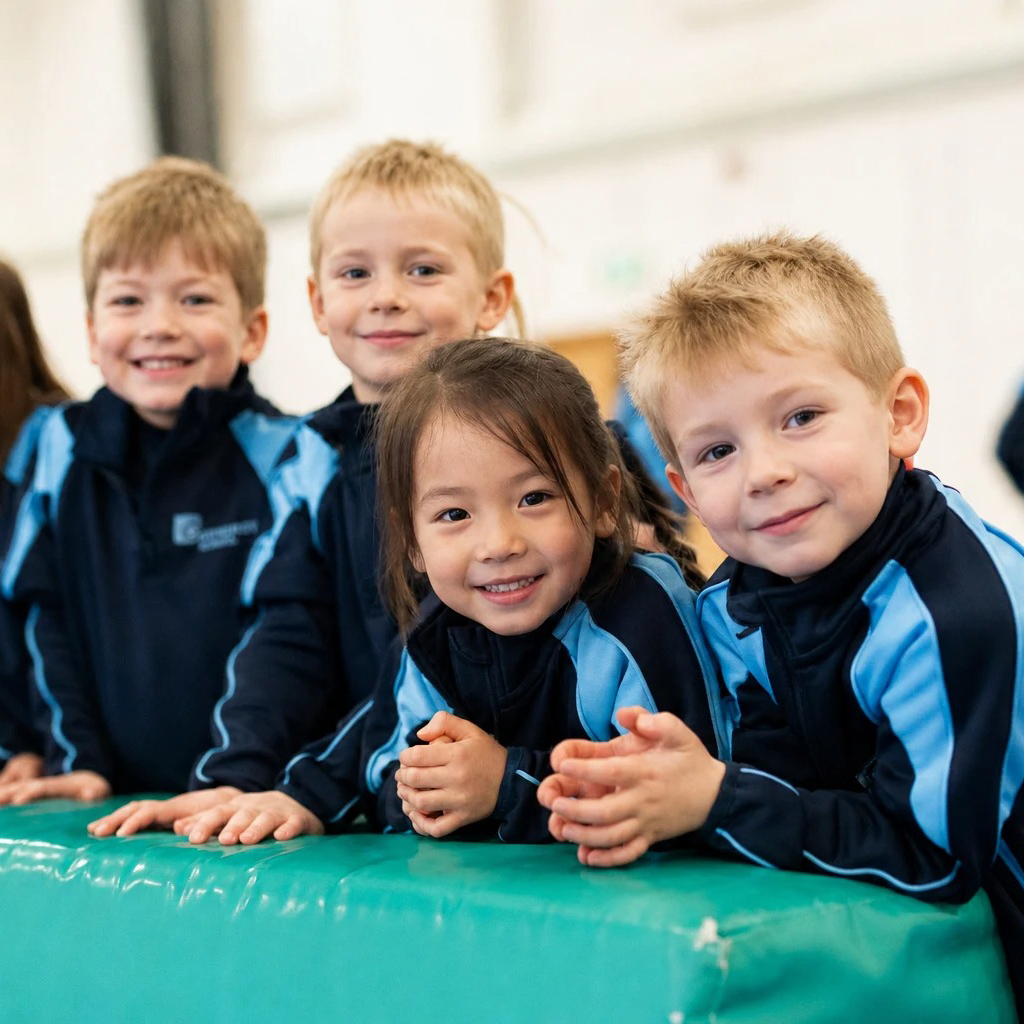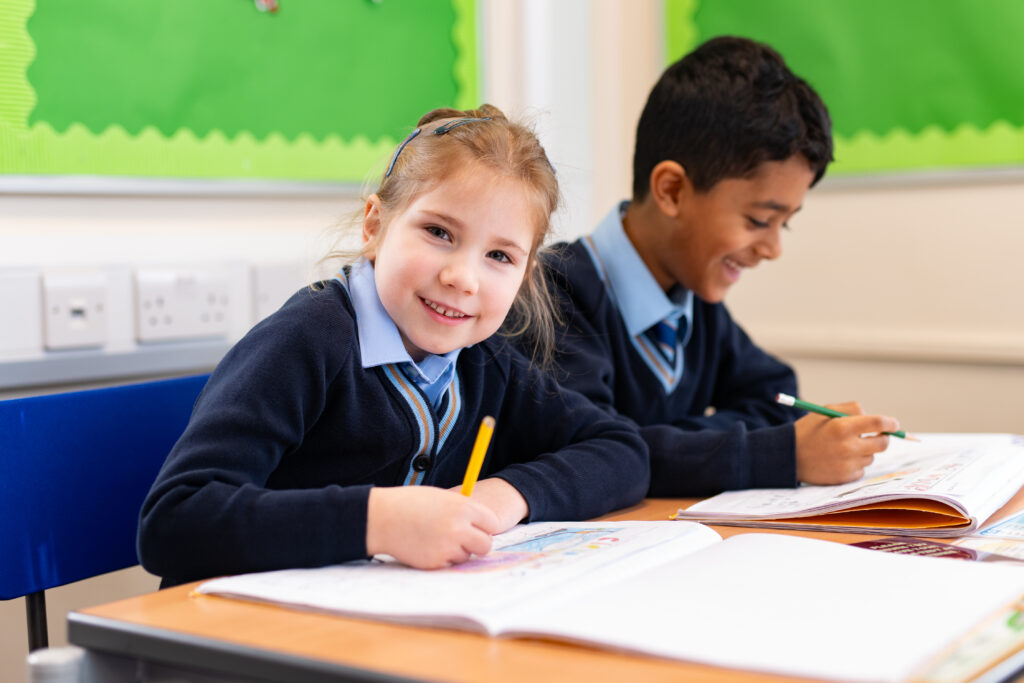
More than sprt. More than winning.
At Gayhurst, sport isn’t simply about scoring goals or winning matches. It’s about building confidence, resilience, teamwork and character.
Having been co-educational for 18 years, we’ve seen first-hand the benefits of boys and girls learning, growing and competing together.
Our focus isn’t gender. It’s children.
What Makes Co-Ed Sport So Successful?
Why should football be for boys and netball for girls?
More opportunities for every child
At Gayhurst, children have the opportunity to experience:
- Rugby
- Hockey
- Football
- Netball
- Cricket
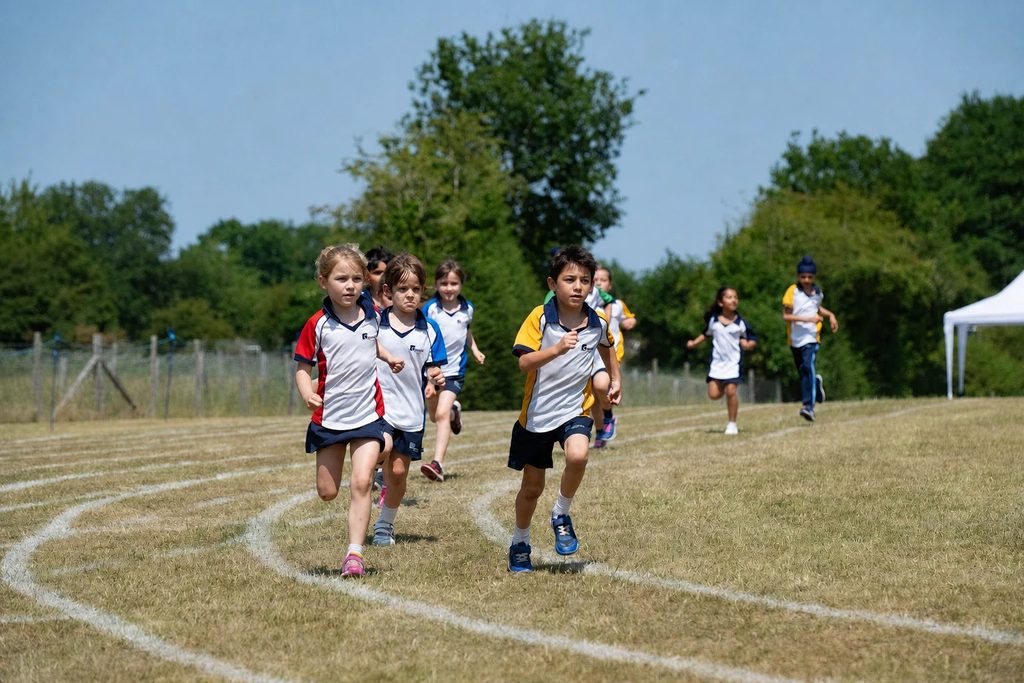
- Athletics and more
The result? More experiences. More confidence. More chance to discover a hidden talent.
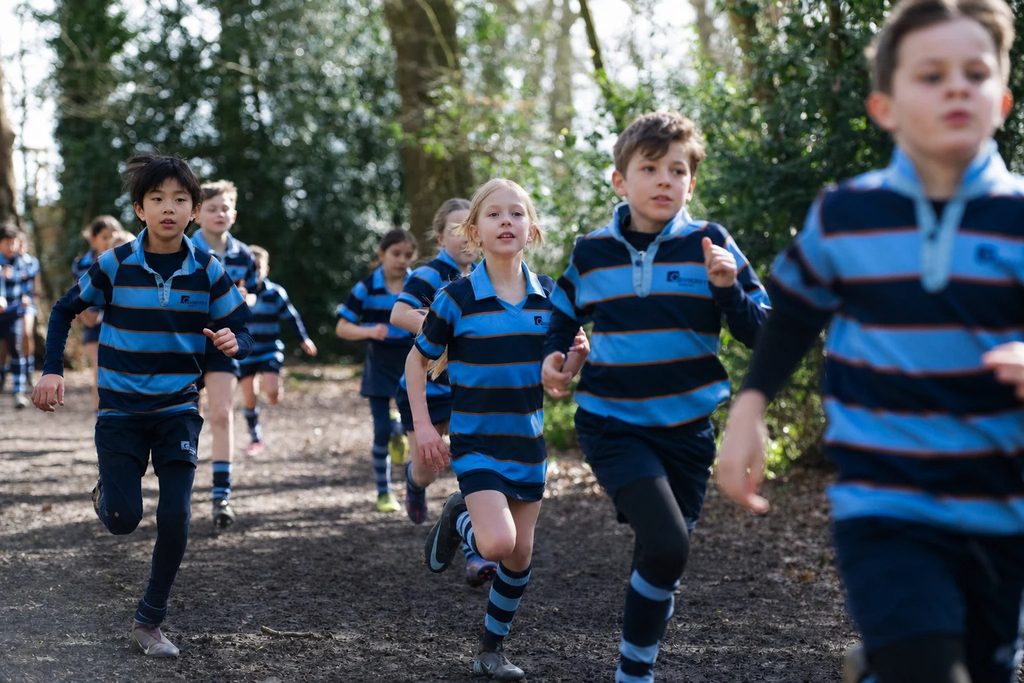

Challenging outdated assumptions
Children are wonderfully good at recognising ability.
When boys and girls play together, they learn that:
- Leadership isn’t determined by gender.
- Talent isn’t determined by gender.
- Determination isn’t determined by gender.
They learn to judge people by their actions, effort and attitude.
And that’s a lesson that lasts a lifetime.
Teamwork without labels
When children play together, they quickly learn that great teammates come in all forms.
They discover that success isn’t about being a boy or a girl. It’s about:
- Communication
- Commitment
- Determination
- Encouragement
- Respect
Great teams are built on character, not stereotypes.
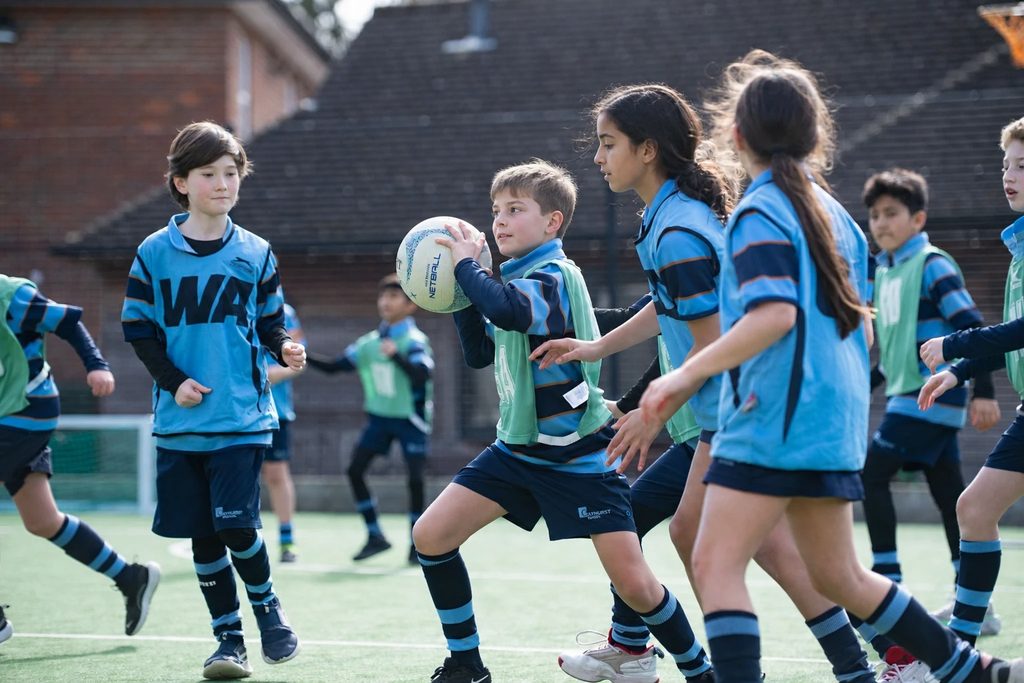
Confidence grows faster
Co-educational sport creates more opportunities for children to:
- Lead a team
- Captain a side
- Support others
- Solve problems
- Step outside their comfort zone
Every child has the chance to shine.
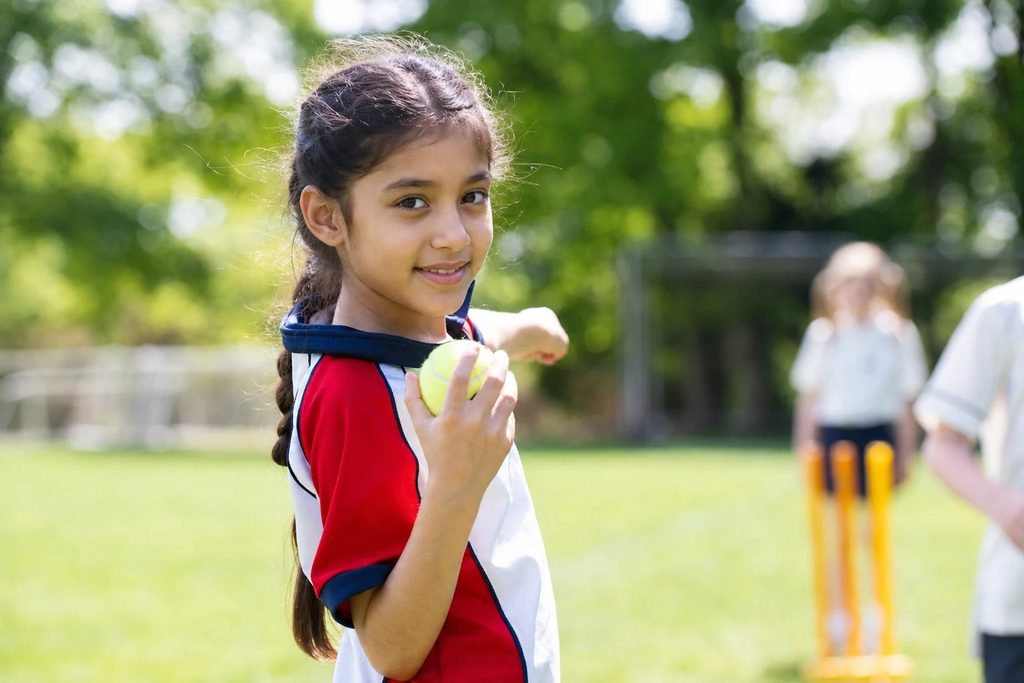
Resilience in action
Sport teaches lessons that extend far beyond the playing field.
Children learn how to:
- Win graciously
- Bounce back from setbacks
- Persevere when things are tough
- Support others through challenges
These experiences help develop the resilience that sits at the heart of a Gayhurst education.
Preparation for the real world
The world our children will enter is collaborative, diverse and interconnected.
Co-educational sport helps children learn how to:
- Work with different people
- Communicate effectively
- Respect different perspectives
- Achieve shared goals
In many ways, the sports field is a rehearsal for life.
A stronger school community
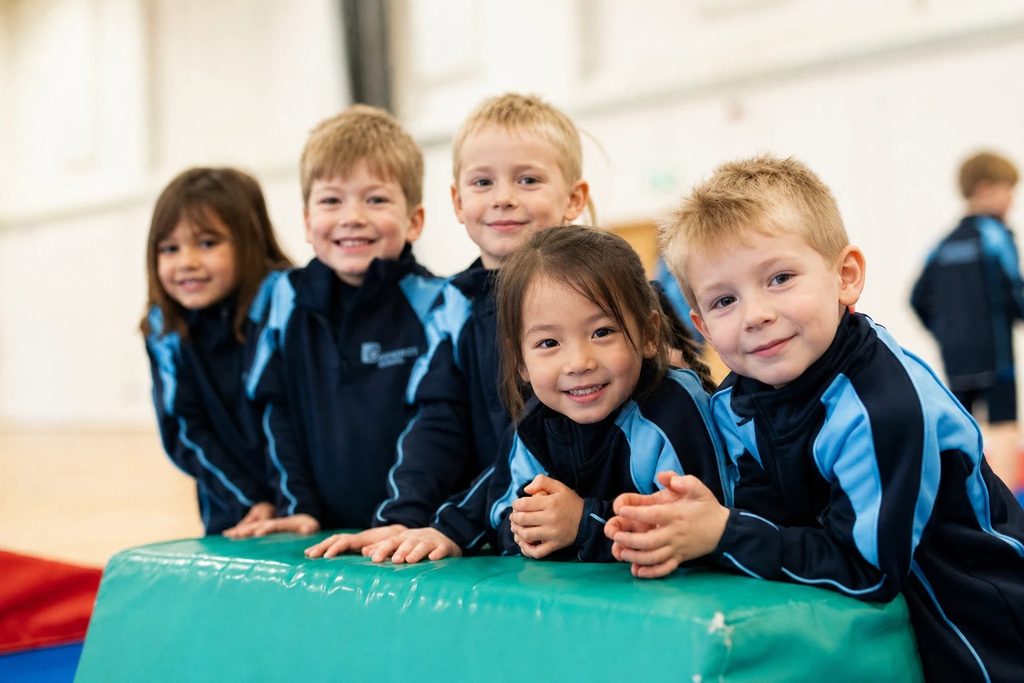
When children play together, friendships broaden.
Year groups become more connected. Relationships strengthen. Children develop a greater sense of belonging.
It reflects exactly what Gayhurst stands for:
Kindness. Inclusivity. Mutual respect.
And perhaps most importantly… it’s fun!
Sport should be joyful.
When children enjoy being active they are far more likely to:
- Stay involved in sport
- Develop healthy habits
- Build confidence
- Enjoy physical activity for life
After all, happy children are active children.
A Question We Are Often Asked
Doesn’t co-ed sport disadvantage boys or girls?
In our experience, no.
At primary school age, differences in physical development can vary enormously between individual children. Ability, confidence, skill, understanding and commitment often tell us far more than gender ever can.
At Gayhurst:
- Teams are selected on ability and readiness.
- Every child is encouraged to develop and improve.
- Children learn from talented teammates, regardless of gender.
- Success is measured by far more than physical strength alone.
We want children to focus on what makes a great sportsperson:
- Teamwork
- Courage
- Leadership
- Resilience
- Communication
- Determination
Not whether somebody is a boy or a girl.
The Gayhurst Difference
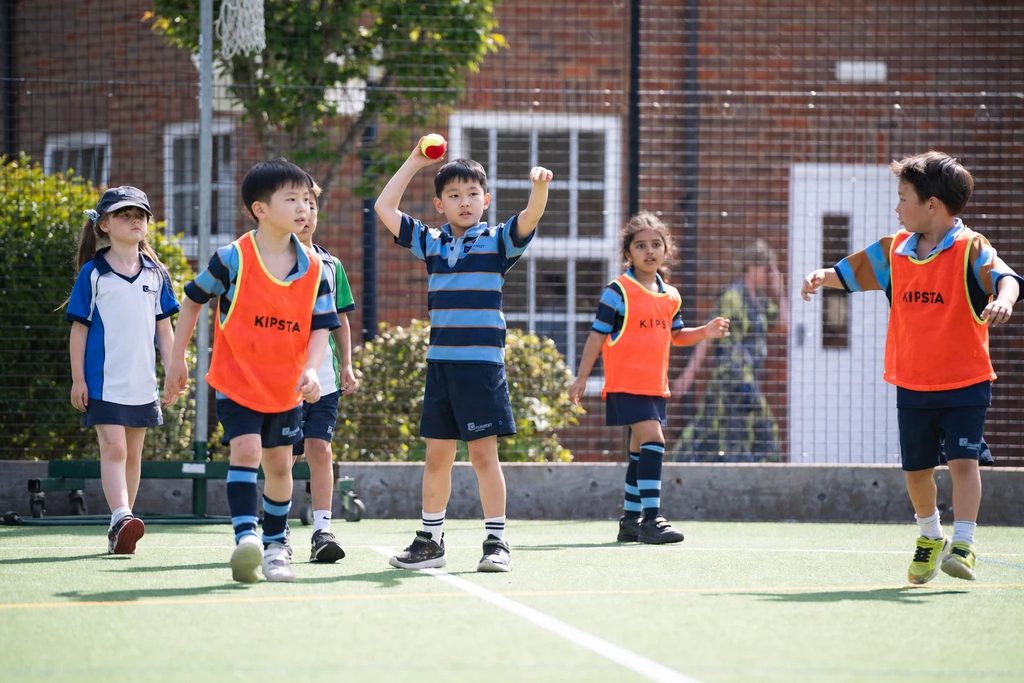
At Gayhurst, co-educational sport is not about boys competing against girls or girls competing against boys.
It’s about children learning, growing and succeeding together.
Because when children play together, they develop much more than sporting ability.
They develop confidence. They develop resilience. They develop kindness. They develop character.
Be Kind. Work Hard. Play Together.
Mrs Simon Kearns
Director of Sport
For further reading on the benefits of co-ed sport please visit:
Youth Sport Trust: The Role and Value of Co-Curricular Sport
The Hows and Whys of Gendered Grouping Practices in Primary Physical Education in England
Women in Sport Response to Department for Education School Sport Guidance
School Sport Magazine: Mixed PE and Sport – The Way Forward?